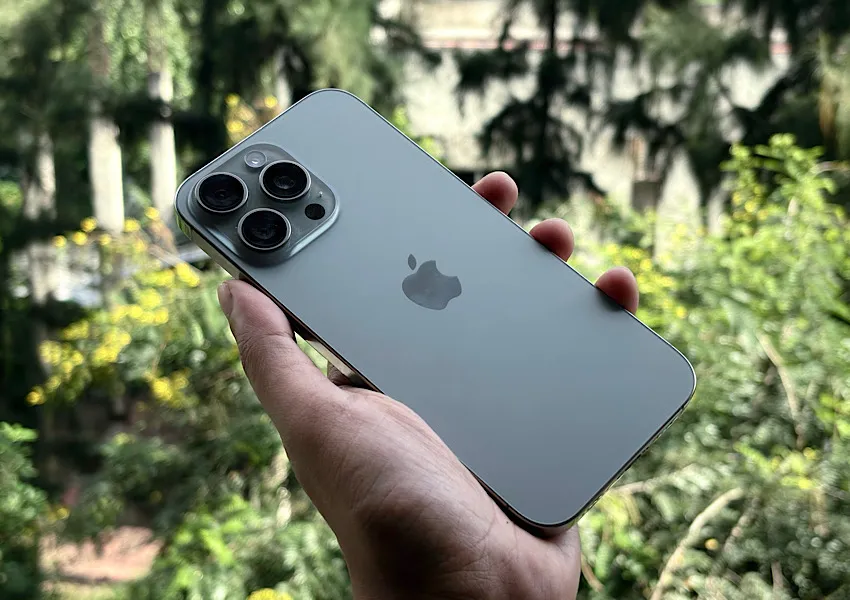
Breaking News: iPhone 16 Series Launch
Apple has officially unveiled the iPhone 16 Pro Max, featuring the revolutionary A18 Pro chip built on 3nm architecture. The device introduces a groundbreaking 48MP Fusion camera system with improved low-light performance and 5x optical zoom capabilities. Early benchmarks suggest a 20% performance boost over its predecessor, making it the fastest smartphone ever created.
"The iPhone 16 Pro Max represents our most ambitious leap in mobile photography," said Tim Cook during the keynote at Apple Park. The new Camera Control button, positioned on the right side of the frame, allows instant access to zoom and focus controls, transforming how users capture moments.
Pre-orders have exceeded expectations, with delivery times stretching into November for certain configurations. The base model starts at $1,199, while the 1TB variant tops out at $1,599. Analysts predict this could be Apple's best-selling Pro Max device to date.
Samsung Galaxy S25 Ultra Leaks
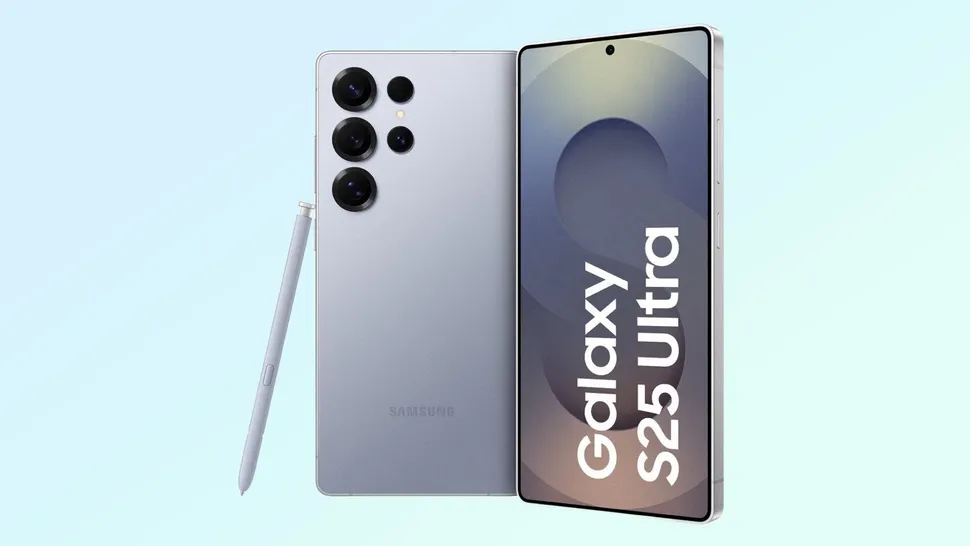
Reliable tipsters have revealed renders of the upcoming Samsung Galaxy S25 Ultra, expected to launch in January 2025. The device appears to feature a boxier design reminiscent of the Galaxy Note series, complete with an integrated S Pen slot. The 200MP main sensor receives a significant upgrade with variable aperture technology.
Samsung is reportedly testing a Snapdragon 8 Gen 4 for Galaxy chip with clock speeds reaching 4.32GHz. The 6.9-inch Dynamic AMOLED 2X display will reportedly achieve peak brightness of 3,000 nits, setting a new industry standard for outdoor visibility.
Google Pixel 9 Pro: AI Photography King
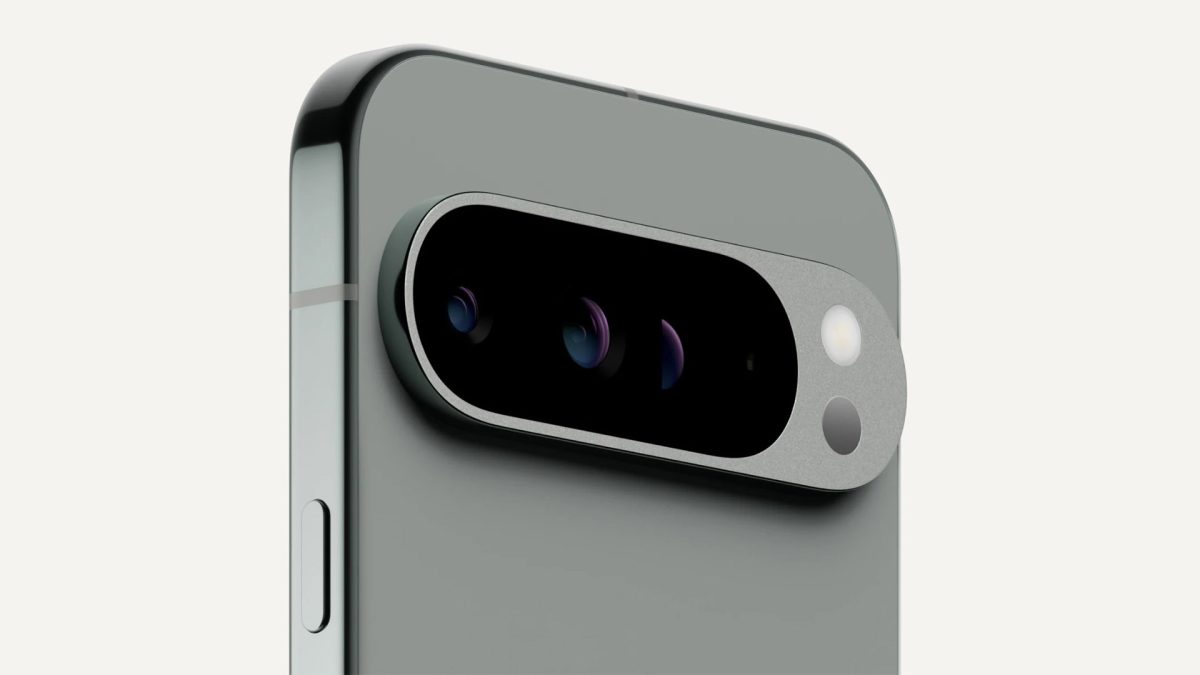
Google's Pixel 9 Pro has arrived with the most advanced computational photography suite ever seen on a smartphone. The new "Add Me" feature uses AI to seamlessly insert the photographer into group shots, solving a decades-old problem. Magic Editor now supports video, allowing users to remove unwanted objects from moving footage.
The Tensor G4 chip focuses on efficiency, delivering 7 years of OS updates and security patches. At $999, the Pixel 9 Pro undercuts its main competitors while offering exclusive features like Call Screen with Gemini integration and Live Translate during video calls.
OnePlus 13: Speed Meets Value
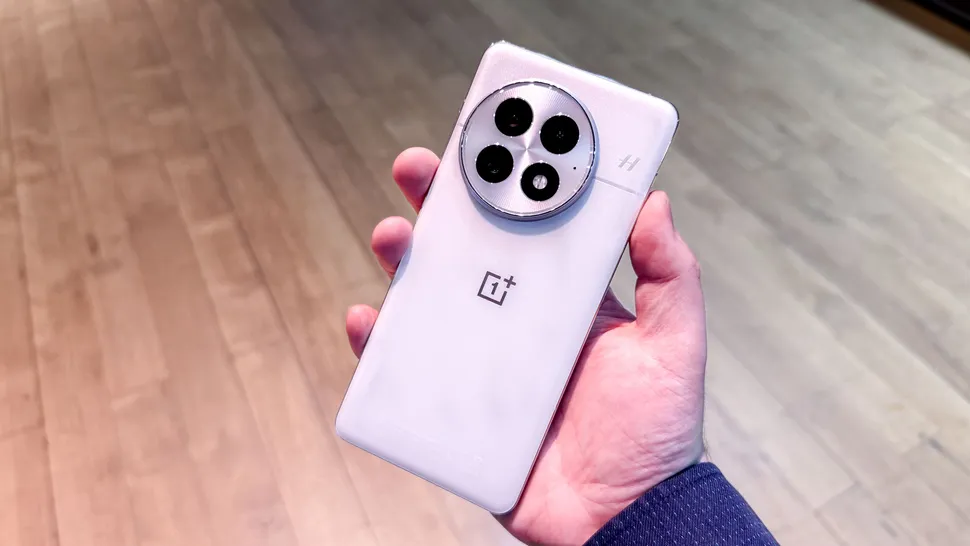
OnePlus continues its flagship killer legacy with the OnePlus 13, launching globally next month. The device pairs the Snapdragon 8 Gen 3 with a massive 6,000mAh battery supporting 100W wired and 50W wireless charging. OxygenOS 15 introduces AI features previously reserved for premium competitors.
The 6.82-inch LTPO AMOLED display boasts a 120Hz refresh rate and 4500 nits peak brightness. Pricing starts at an aggressive $899 for the 12GB/256GB configuration, making it one of the best value propositions in the premium segment.
Foldable Wars: Galaxy Z Fold 6 vs Pixel Fold 2
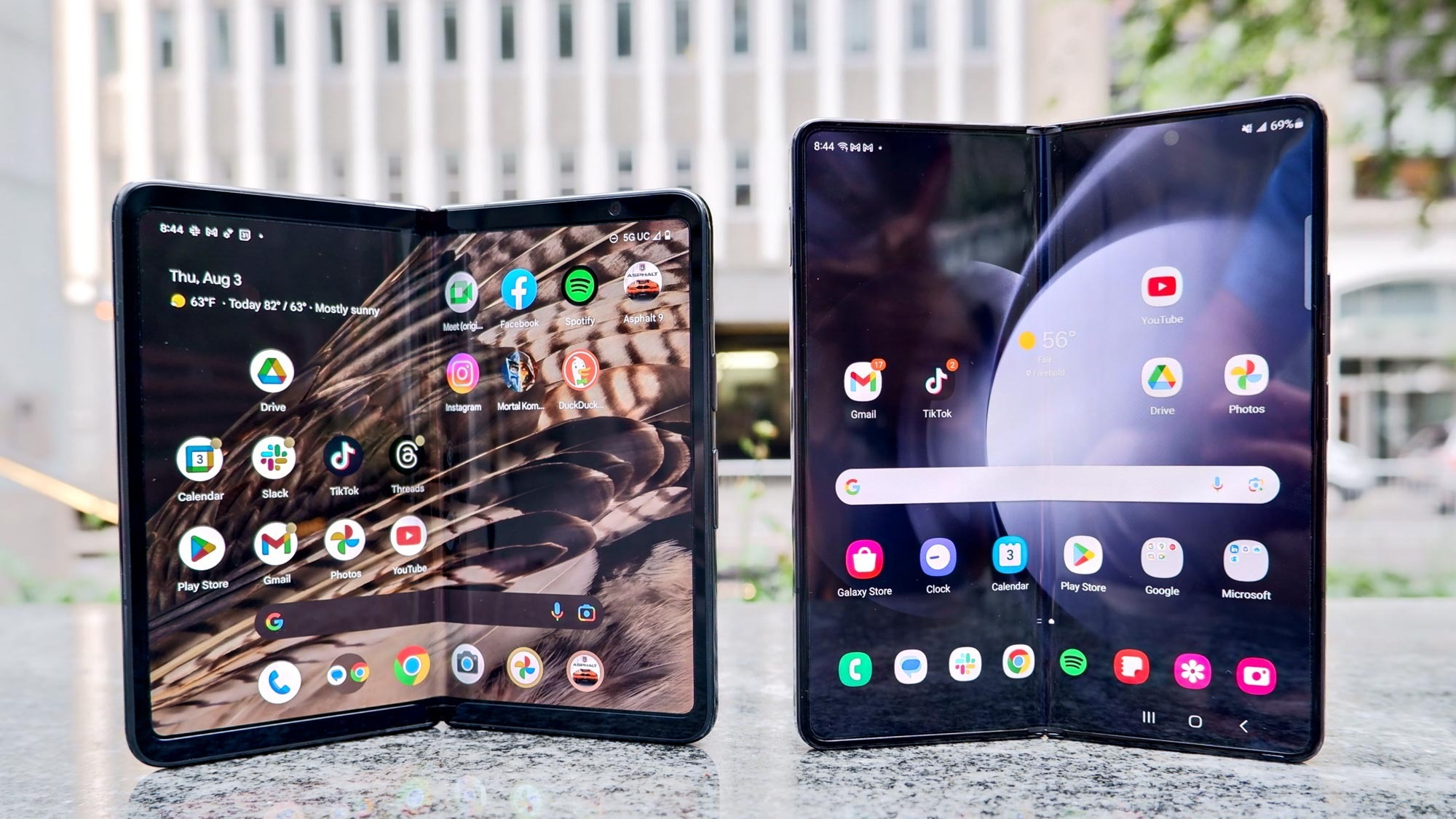
The foldable market is heating up with two major contenders. Samsung's Galaxy Z Fold 6 features a wider cover screen, finally addressing user complaints about narrow external displays. The crease is nearly invisible, and the IP48 rating offers dust resistance for the first time in a foldable device.
Google's Pixel Fold 2 counters with a thinner profile and superior camera hardware inherited from the Pixel 9 series. The 8-inch inner display supports stylus input, and the Tensor G4 chip enables on-device AI processing that doesn't require cloud connectivity.
Best Budget Phones Under $500
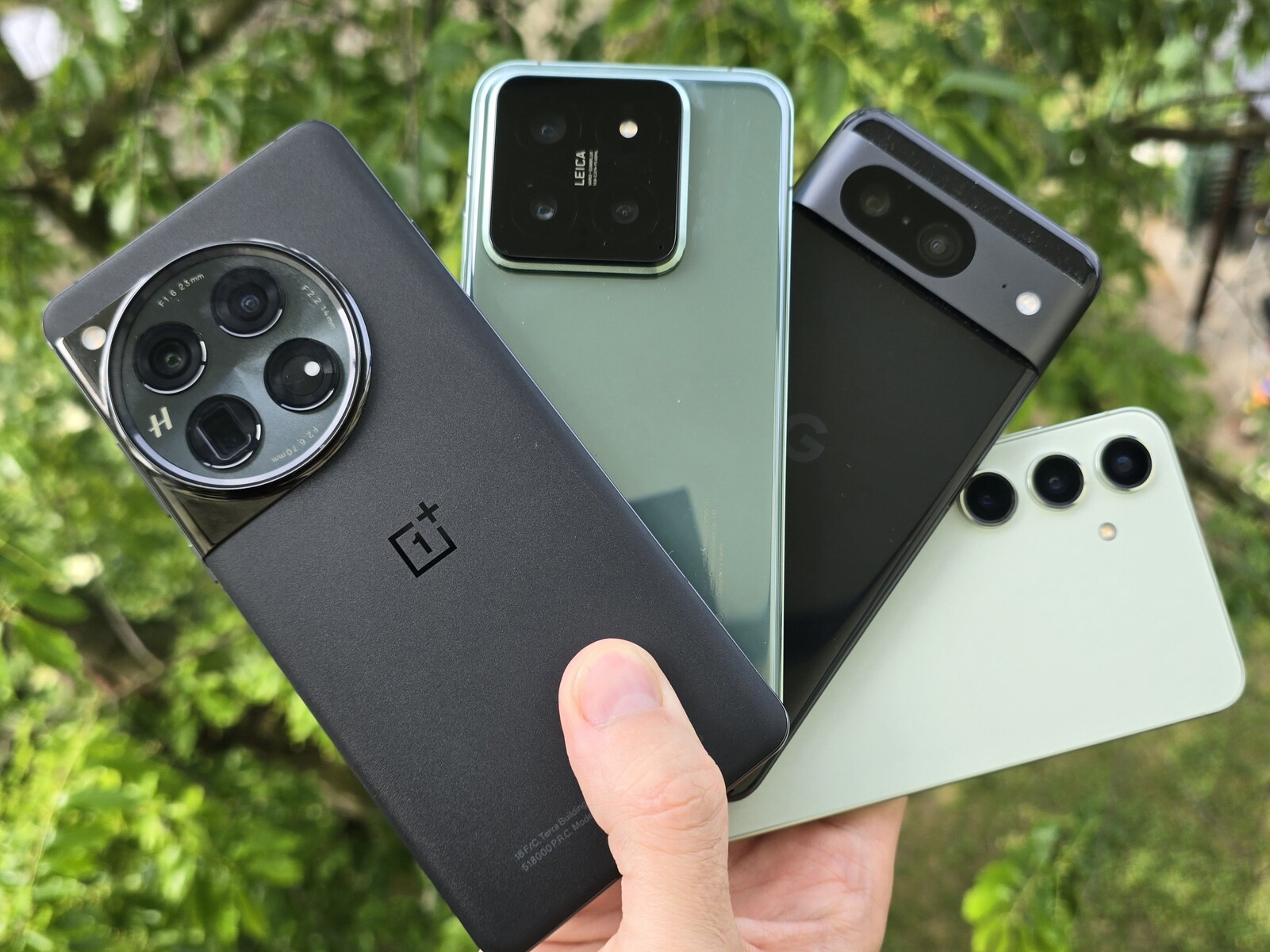
Premium features are trickling down to affordable devices faster than ever. The Samsung Galaxy A55 offers an AMOLED display and 5G connectivity at just $449. Google's Pixel 8a delivers flagship camera performance for $499, while the OnePlus Nord 4 impresses with 100W charging and a premium metal unibody design.
These devices prove that spending four figures isn't necessary for a quality smartphone experience. Each offers 3-4 years of software support, 120Hz displays, and capable camera systems that handle social media and everyday photography with ease.
Charging Technology Breakthrough
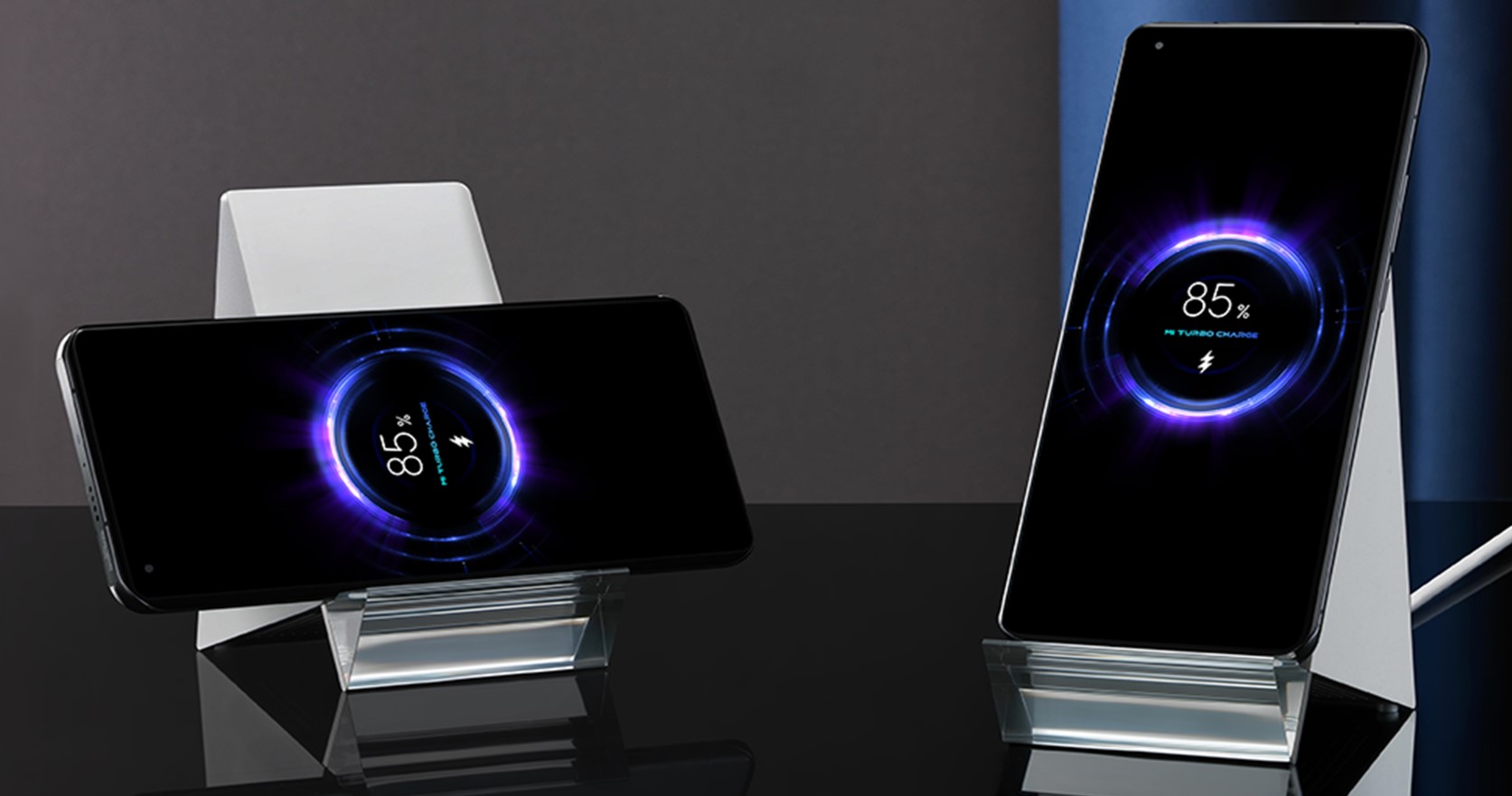
Realme has demonstrated 300W wired charging technology that fills a 4,000mAh battery in under 5 minutes. While commercial availability remains limited, Xiaomi and OPPO are preparing 240W solutions for their 2025 flagships. These advances require new battery chemistries to maintain longevity over 800+ charge cycles.
Wireless charging is also evolving, with the Qi2 standard bringing magnetic alignment to Android devices. Apple's MagSafe ecosystem finally has competition, as Samsung and Google prepare certified accessories for their upcoming releases.
5G-Advanced and Satellite Connectivity
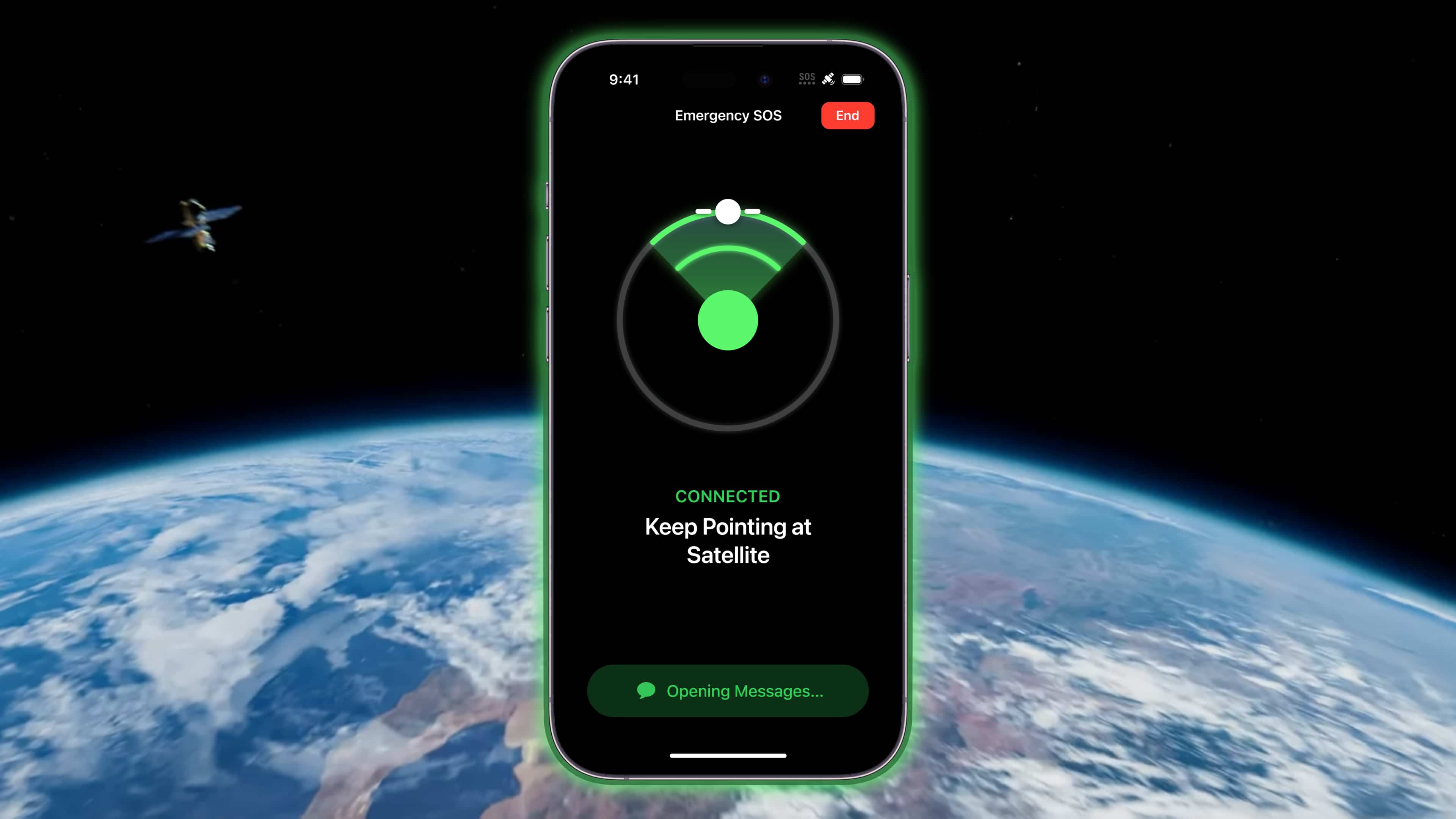
The iPhone 16 and Pixel 9 series now support 5G-Advanced (5.5G) networks, offering theoretical speeds up to 10Gbps where infrastructure permits. More importantly, emergency satellite connectivity has expanded beyond Apple to Android manufacturers. Samsung's Galaxy S24 series connects to Iridium satellites for two-way messaging in remote areas.
Qualcomm's Snapdragon X75 modem enables these features while improving power efficiency by 20%. As carriers deploy mid-band spectrum globally, users can expect more consistent high-speed coverage in suburban and rural regions previously limited to 4G LTE.
What's Next in 2025?
Industry insiders point to several transformative technologies on the horizon. Solid-state batteries promise 50% higher energy density, potentially enabling week-long battery life. Under-display cameras will finally deliver truly fullscreen experiences without notches or punch holes.
AI agents capable of performing complex tasks across multiple apps are being developed by Apple, Google, and Samsung. These digital assistants will book appointments, fill forms, and manage communications with minimal user intervention, fundamentally changing how we interact with our devices.